
Which Savoy cheeses and charcuterie go together?
Start with three Savoy cheese and charcuterie pairings. Try Beaufort PDO with plain dry-cured sausage, Reblochon de Savoie PDO with thin slices of noix de jambon, a cured cut of ham, and Tomme de Savoie PGI with tavaillon, a local dried beef. Add a milder pairing to the same board, such as Emmental de Savoie with cooked ham, along with country bread and a few apple slices. [1] [2] [3] [4] [5] [6] [7]
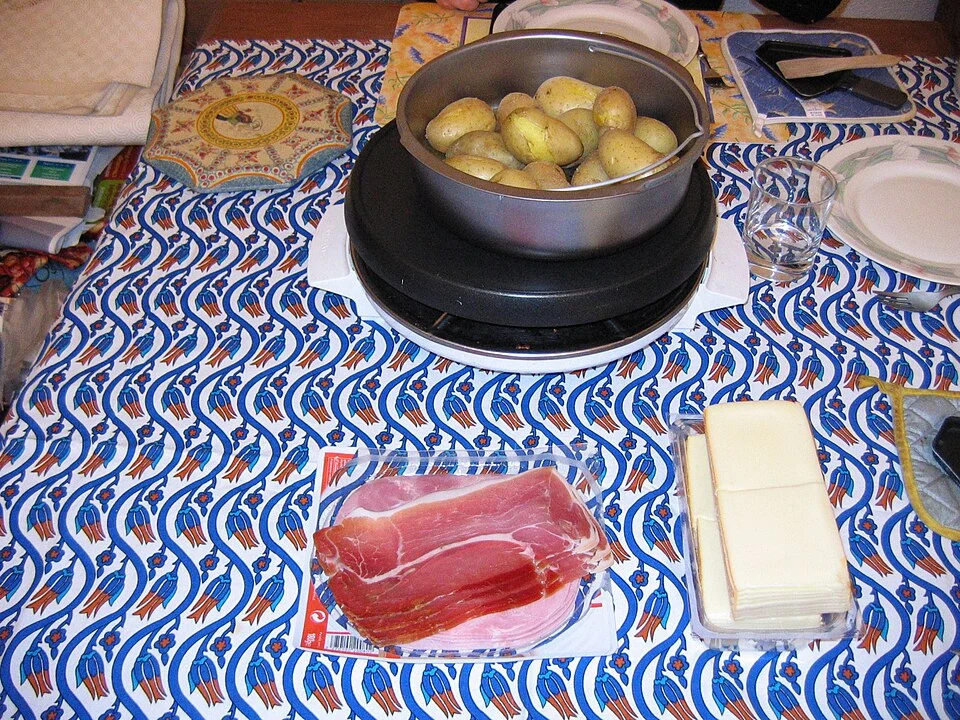
What charcuterie to serve with every Savoie cheese?
The eight Savoy cheeses brought together by the chain have five PDOs and three PGIs. A sweet Emmental supports a fine and unspicy meat. A well-aged Abondance can stand in front of a more marked coppa or dry ham. Refining and smoking count as much as the name on the label. Taste each product alone before assembling a bite. [1] [2]
| Cheese | Charcuterie to be tried | What makes the deal |
|---|---|---|
| Beaufort PDO | Fresh or slightly peppery dry sausage | The firm and fruity paste responds to the chew of the sausage. For a sweet Beaufort, choose a discreet seasoning. [2] [3] [8] |
| Abondance PDO | Coppa or raw ham from countries | The semi-cooked dough and the length of a refined piece accompany a more present dried meat. If the coppa is very salty, cut it finely. [1] [2] [8] |
| Chevrotin PDO | White ham or natural ham nuts | A sweet charcuterie reveals the taste of goat’s milk and the flexibility of cheese. [1] [2] [6] [8] |
| Emmental de Savoie PGI | White ham or sweet dry sausage | A slice of Emmental and a fold of ham give a sweet bite, to be served at the beginning of the tasting. [1] [2] [6] |
| Raclette de Savoie PGI | Raw ham, cooked ham or coppa | Fondue, it lends itself to various garnishes. If the cheese is smoked, a natural ham avoids accumulating the smoked flavors. [1] [6] [8] |
| Reblochon de Savoie PDO | Natural ham or unsalted raw ham | A thin slice of salison contrasts with creamy dough. Nature bread is enough to bring both together. [4] [7] [8] |
| Tome des Bauges PDO | Sausisson with hazelnuts or sweet raw ham | The hazelnuts add crunch. With a sausage already very peppery, choose a volume whose taste remains fairly present. [5] [8] |
| Tomme de Savoie PGI | Beef or dried ham tavaillon | The dried beef, cut thinly, brings a denser texture. An already well-aged tomme is more expressive in front of this charcuterie. [5] [7] |
Beaufort and dry sausage, chewing without excess pepper
The Beaufort is a cooked pressed cheese whose ageing lasts at least five months. “Chat d’alpage” indicates special conditions of manufacture, including a workshop located above 1500 m and milk from a single herd. For the tray, choose according to the taste of the piece. A soft Beaufort gains to be associated with a natural sausage. A long refined cheese wheel can accompany a slightly more peppery charcuterie. [2] [3]
Cut the Beaufort into thin slices and the sausage into regular slices. Alternate a bite of cheese alone with a bite of the duo. If the pepper covers the fruit of Beaufort, take a thinner slice or change the sausage. With a hazelnut sausage, keep a natural bread to let the hazelnuts come out.
Reblochon and ham nuts, creamy and salty contrast
Reblochon is an uncooked, soft-textured pressed dough. A natural noix de jambon, served in a very fine slice, gives a contrast without adding too much fat a bite. With a very dry ham, take a smaller piece. A slice of pear or some bread brings freshness and lets distinguish the cream notes from cheese. [2] [4] [8]
Tomme de Savoie and Tavaillon, two textures to compare
The tavaillon is sold as dried beef. The recipe varies according to the manufacturer. A Savoyard example mentions white wine, spices and plum alcohol in seasoning. If this product is not found, a thin slice of dry ham allows to find the contrast between the cheese and a dense salison. [7] [8]
The Tomme de Savoie PGI and Tome des Bauges PDO are two different cheeses. To compare them, serve them with the same charcuterie. A natural sausage makes it easier to perceive their differences in dough and ageing than a slice heavily smoked or flavoured. [5]
Which charcuteries to choose for a Savoyard board?
Start with two styles. Take a fine sliced charcuterie, like ham or noix de jambon, and a firmer charcuterie, like dry sausage. For a third option, choose dried beef, a coppa or some smoked slices. A single product that is very peppery or very smoky is often enough to give character to the set. [7] [8]
| Charcuterie | Profile to look for | Cheese or recommended use |
|---|---|---|
| White ham | Sweet, tender and not smoky | Emmental, Chevrotin or raclette nature. Useful to start tasting. |
| Crude or dry ham | Fine slice, more or less salty depending on the piece | Reblochon for texture contrast, or Abondance if salt is more intense. |
| Nuts of natural or smoked ham | Dried pork piece, finely sliced | Nature with Reblochon or Chevrotin. Smoked, in small portion with a well-aged tompe. [8] |
| Dry sausage | Nature, peppery, hazelnut or cheese | Nature with the Beaufort. To the hazelnuts with the Tome des Bauges. With cheese, serve it next to a sweet cheese to avoid a bite too heavy. [7] [8] |
| Tavaillon | Dried beef, dense and aromatic | Tomme de Savoie or Beaufort refined. A thin slice is enough for a bite. [7] |
| Coppa or dried pork fillet | Texture and parsing vary according to room | Abondance, tom or fondue raclette. Taste before adding a salty condiment. [8] |
| Natural or smoky dit | Sausage whose label specifies whether it is to be cooked or already cooked | For a hot board, cook a dot sold to cook according to his instructions and serve it apart from cheese and salison. [9] |
What is guaranteed by the mention “de Savoie” on a charcuterie?
The names Jambon de Savoie and Saucisson sec de Savoie do not appear as PGI registered in the European register consulted. An old draft specification did exist for ham. To find out what the mention covers on a product, read the place of manufacture, the origin of the meat when it is indicated, smoking and the list of ingredients. A sausage can be made in Savoie with meat from another region. [8] [10]
A mention such as “to hazelnuts”, “to blueberries” or “to Beaufort” gives a mark on the recipe for sausage. To compare two products, check the list of ingredients and the possible presence of allergens. On a board, reserve these variants to the bites of discovery and also keep a natural sausage to taste cheeses without any other dominant aroma. [7] [8]
How to compose a cheese board and charcuterie?
Aperitif board, three easy-to-serve pairs
For six people and an aperitif that holds an important place before the meal, plan for example 360 g of cheese and 210 g of charcuterie. Divide the cheese between the Emmental de Savoie, the Reblochon and the Beaufort, at a rate of about 120 g of each. On the cold side, count 70 g of cooked ham, 70 g of noix de jambon and 70 g of dry sausage. Add bread and apple. Serve half at the start and keep the rest fresh to complete according to appetite. [11]
Meal board, more cheese and fresh toppings
Mix a firm cheese, a supple cheese and a tomme. For six people, an example of a basket is 240 g Beaufort, 220 g Tomme de Savoie and 200 g Reblochon. Add 160 g of cooked ham, 150 g of dry ham and 110 g of sausage. Complete with warm potatoes, salad or crudity and bread. If dishes precede or follow the board, reduce the servings.
Tasting board, from softest to most assertive
Start with Emmental and cooked ham, continue with Tome des Bauges and nature sausage, then propose Tomme de Savoie and tavaillon. If you add Bleu de Termignon, serve it at the end with a pear or some nuts. A powerful blue often suffices to itself. If you want to join charcuterie, try a very fine slice of sweet ham. [2] [5] [6] [7]
How much cheese and charcuterie do you expect per person?
The quantities below are buying marks for the board. They take into account the place of the tray in the meal. Bread, fruit and vegetables count separately. If the board already contains cooked dites, potatoes or crozets, adjust the quantity of salisons to the rest of the menu.
| Occasion | Cheese per person | Charcuterie per person | Total per person |
|---|---|---|---|
| Small appetizer before a meal | 30 to 40 g | 20 to 30 g | 50 to 70 g |
| Generous aperitif board | 55 to 65 g | 30 to 35 g | 85 to 100 g |
| Main plate board, with trim | 100 to 120 g | 60 to 80 g | 160 to 200 g |
To move from the table to the shopping list, multiply the amount chosen by the number of guests. For example, 180 g per person for six give a total of 1.08 kg of cheese and charcuterie, which corresponds to the basket of the above meal board. Buy more cheese if some of the guests do not eat charcuterie. Present both on separate dishes if this makes service easier.
What accompaniments and drinks are served?
Bread, fruit and condiments
- Country bread or traditional baguette. Start with a bread that is neutral enough to taste the duos. Serve a bread with nuts or cereals next door, especially with a tom or a blue. [2] [12]
- Apple or pear. Some fresh slices give contrast after a salty bite. The pear accompanies a Reblochon or a blue.
- Cornichons and small onions. Present them separately. Vinegar is useful for varying bites, but its taste can dominate a sweet cheese and change the perception of wine.
- Hazelnuts, nuts and jams. Hazelnuts bring crunch with an apple. Serve a hint of blueberry jam or fig next to the cheese. If the sausage is already flavoured with blueberries, first taste the duo without jam. [12]
Dry white, light red, bubbles or alcohol free
| Drink | Recommended agreement | When to choose it |
|---|---|---|
| Apremont or Les Abymes | Emmental and cooked ham, or Reblochon and ham nuts | For a single bottle to serve on a rather soft board. [12] [13] |
| Stroller of Savoy dry | Reblochon, tomme and ham raw | For a board that gathers more or less refined pieces. [12] [13] |
| Chignin-Bergeron | Beaufort refined and nature sausage | For a larger Roussanne white, when the cheese has character. [12] [13] |
| Gamay de Savoie or Pinot black light | Tomm and tavaillon, Abondance and coppa | For those who love red. A soft Worldly is tempting with a smoked charcuterie. [13] |
| Cremant de Savoie brut | Beaufort or Emmental with unspicy charcuterie | For an aperitif where the bubbles give a contrast to the fat. [12] |
| Sparkling water or acidic apple juice, elongated with sparkling water | Several duos, especially with salty charcuterie | For a fresh option without alcohol, with little added sugar. |
The guide to wine and cheese pairings of Savoie details grape varieties and service temperatures. If the tray becomes a meal of cheese melted with pans, find also which wine serve with a raclette.
How to cut, serve and store the board?
- Cut to share the heart and edge. In a round cheese such as the Reblochon or the Tomme de Savoie, pick up small parts from the center to the outside. In a part of Beaufort or abundance, divide the areas close to the heel and the heart between several pieces. [2]
- Adapt the thickness of the charcuterie. Serve the noix de jambon, the raw ham and the tavaillon in thin slices. A washer of dry sausage can be a little thicker to keep her chew.
- Place the Emmental and the cooked ham at the beginning, then the Reblochon, the Beaufort or the tomme. Reserve the smoked, very peppery or parsleyed products at the end.
- Prepare the amount that will be eaten first. For the refined cheese, AFTAlp proposes to take out the serving at least 30 minutes before the meal. Keep cold the chilled meats until service and recharge the board if necessary. [2] [11]
- Store the fresh portions separately. Repackage the clean pieces and follow the label, including the time limits after opening. The ministry recommends the cold zone, between 0 and 4 °C, for fresh or raw milk cheeses and cooked or cooked charcuterie. [11]
Check out the guides to carry cheese and store cheese in the refrigerator if you prepare the plank in advance. The Savoie Cheese Road helps to locate farms and fruit trees to choose a cut.
Frequently asked questions about cheeses and charcuteries
Which chords to choose for a simple Savoyard board?
Combine the Beaufort PDO with natural dry sausage, the Reblochon de Savoie PDO with a noix de jambon and the Tomme de Savoie PGI with a tavaillon. Serve with country bread and some apple slices.
What charcuterie to serve with the Beaufort?
A dry, natural or slightly peppery sausage accompanies the firm pastry of Beaufort. For a piece of sweet taste, keep a discreet seasoning. A refined Beaufort can accompany a more full-bodied sausage.
What charcuterie to associate with the Reblochon?
Choose a natural ham or unsalted raw ham and slice it finely. Salaison gives a texture contrast with the creamy Reblochon. Nature bread or a slice of pear completes the bite.
What is Savoie’s tavern?
Tavaillon is sold as a speciality of dried beef. Seasonings vary according to the manufacturer. Its dense texture matches with a refined Tomme de Savoie, especially when the meat is cut into thin slices.
Can we put smoked dits on a charcuterie board?
Yes, according to the instructions of the product. A bowl sold for cooking must be cooked before service, even if it is smoked. Serve it separately, for example with Abondance or potatoes.
How much cheese and charcuterie per person?
For a small aperitif before a meal, count about 50 to 70 g in total. For a generous aperitif board, plan about 85 to 100 g. For a meal with toppings, use 160 to 200 g as a shopping spot.
Which drink to choose with a Savoyard board?
A Premont accompanies a smooth board. A Dry Stroller is an option with more refined cheeses. If you prefer red, choose a soft Gamay. Without alcohol, offer sparkling water or a diluted acidic apple juice.
What bread to serve with cheeses and charcuterie?
A little flavored country bread makes it possible to distinguish the two products well. A nut bread is suitable for toms and blues. Keep also natural bread if the sausage already contains hazelnuts or nuts.
How to prepare a board in advance without drying the products?
Keep the pieces packed fresh. Cut the cheese and charcuterie shortly before the service. Only take out the quantity needed for the first bites, then complete the board as and when you want.
Sources
- AFTAlp, the eight Savoy cheeses PDO and PGI.
- AFTAlp, pasta families, cutting, preservation and tasting order.
- Beaufort Cheese Defence Union, Minimum Refining Duration and Beaufort chalet manufacturing.
- Reblochon Interprofessional Union, Conservation and Tasting Advice.
- AFTAlp, Tomme de Savoie PGI and Tome des Bauges PDO.
- AFTAlp, Emmental de Savoie PGI, Chevrotin PDO and Raclette de Savoie PGI.
- The Savoyard Grenier, an example of the composition of a tavaillon and an assortment of salisons.
- At François, examples of charcuterie and salison marketed in Haute-Savoie and Le Grenier Savoyard, examples of ham nuts, fillets and sausages.
- Cœur de Chartreuse tourist office, recipe for white wine diots.
- European Commission, eAmbrosia registry and INAO, former draft single document “Jambon de Savoie”.
- Ministry of Agriculture, Temperatures and Refrigeration Storage and cold chain.
- AFTAlp, Savoy cheeses with wines, jams and spices.
- Comité interprofessionnel des vins de Savoie, les variétés, Apremont, The Abyms and Chignin-Bergeron.