Alandier : Discover French regional specialities
Le Guide du Terroir explores the foods, wines and producers that give France’s regions their character. From the almond macarons of Saint-Jean-de-Luz to the white wines of the Mâconnais, each guide traces a speciality back to its place of origin and the people who make it.
Terroir magazine
A selection of stories and guides to explore by region and by speciality.
From the French Alps
The legend of ALANDIER
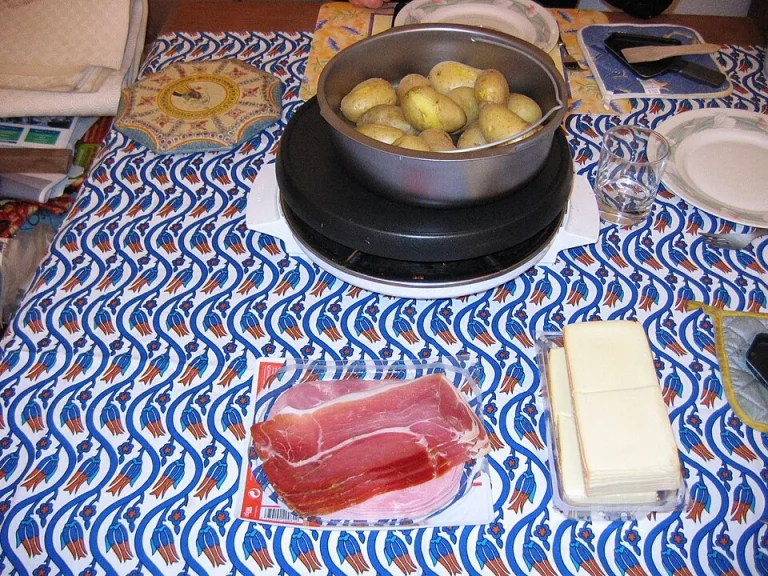
A story about the warmth of a hearth, a shared table and the flavours of the Alps.
What makes a product regional?
Terroir describes the relationship between a place, its natural resources and the skills of the people who work there. That relationship can be seen in many kinds of food and drink.
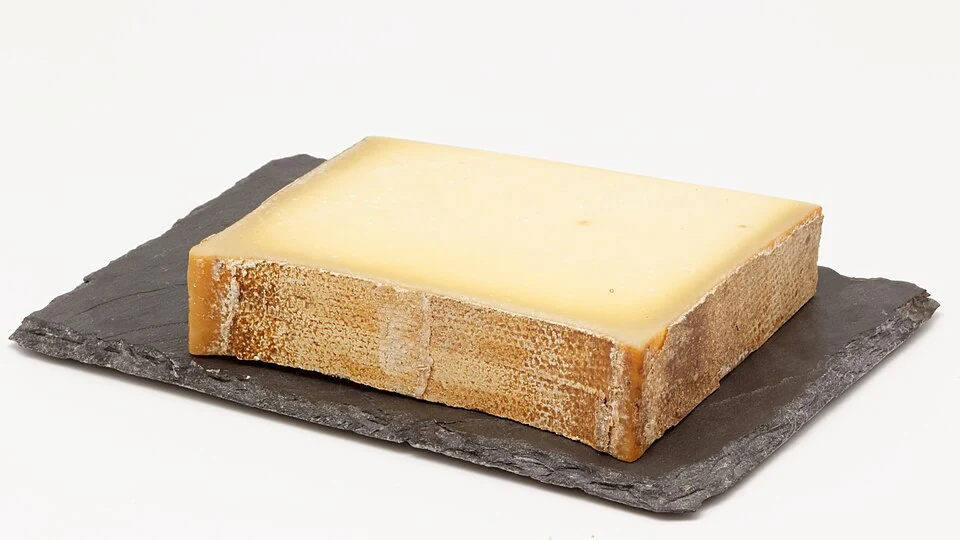
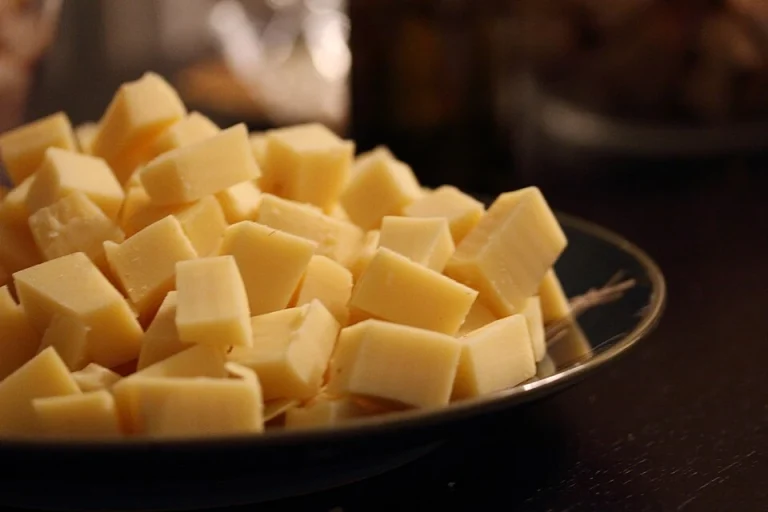
- Cheeses and other dairy specialities
- Cured meats and traditional preparations
- Regional biscuits, pastries and confectionery
- Wines and other drinks from French vineyards
- Honey, preserves and pantry products
- Regional dishes and recipes
Meet the producers
A producer’s story helps explain how a speciality is made, what sets it apart and how its methods have been passed down.
Domaine du Chalet Pouilly, white wines from Burgundy
The estate records its first vine plantings in 1850. In Solutré-Pouilly, in the Mâconnais, it produces Chardonnay wines including Pouilly-Fuissé and Saint-Véran. [1]
Read the estate profile (in French)
Maison Adam, Basque macarons from Saint-Jean-de-Luz
Maison Adam traces its macaron tradition to 1660. These almond pastries are part of the culinary heritage of the French Basque Country. [2]
Read the Maison Adam profile (in French)
Domaine Charles Frey, an Alsace wine estate
This family estate in Dambach-la-Ville offers a look at the relationship between the Alsatian vineyard, organic growing and biodynamic practices.
Read the Domaine Charles Frey profile (in French)
Armagnac Jean Cavé, a Gascon house in the Gers
Jean Cavé began working as a distiller and merchant in Lannepax in 1883, according to the house’s history. The profile explains how oak ageing shapes Armagnac. [3]
Read the Jean Cavé profile (in French)
Explore France’s regional specialities
Burgundy’s vineyards show how soils and growing conditions influence wine. Alsace offers a different set of grape varieties and winemaking traditions. In the Basque Country, pastry is part of local heritage, while Gascony has a long tradition of distilling and ageing spirits.
How to choose a regional product
Five details help explain what you are buying.
- Origin — Look for the region and, where available, the place of production.
- Method — Check the ingredients and the main steps in the process.
- Quality labels — Check whether the specific product carries an official designation or certification.
- Producer — Identify the maker or farm behind the product.
- Use — Find out how the product is best served, prepared or stored.
A living culinary heritage
Methods change as producers respond to new conditions and pass skills to the next generation. Some profiles began as directory entries. Check current contact details, opening hours and commercial information with the producer.
Frequently asked questions about Alandier
What is a French terroir product?
It is a food or drink whose identity is closely linked to a place, its resources or local ways of making it.
What is the difference between terroir and a protected designation of origin?
Terroir describes the link between place and production. A protected designation of origin is governed by a product specification that defines the area and the production rules.
Does Le Guide du Terroir sell the products it features?
The profiles are editorial guides. A feature about a producer does not imply that the product is sold on this site.
Are older producer profiles still up to date?
Historical facts can still be useful. Check addresses, visits and commercial terms directly with the producer.
Where can readers explore the specialities of a region?
Start with the producer profiles and regional guides, then follow the links to individual specialities.