
Which cheeses make a balanced Savoy cheese board?
For a Savoy cheese board, serve Beaufort PDO, Abondance PDO, Tomme de Savoie PGI, Reblochon de Savoie PDO and Chevrotin PDO. These five cheeses give you firm and supple textures and a chance to taste a goat’s milk cheese. For a three-cheese plate, choose Beaufort, Tomme de Savoie and Chevrotin. Arrange the pieces from mildest to strongest based on how they taste, cut each portion from the centre to the rind, and add country bread, walnuts and a few slices of pear. [1] [2] [3] [4] [5] [6]
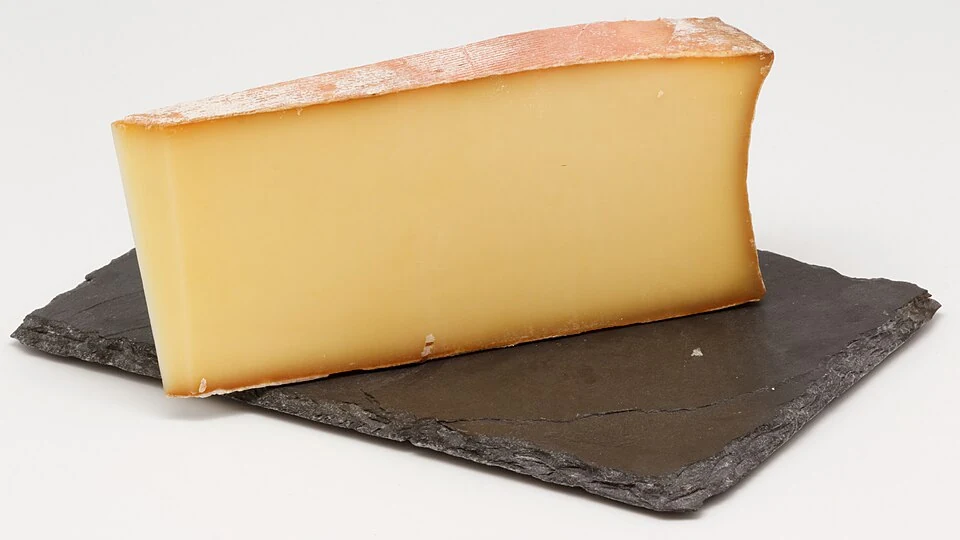
Savoie’s eight cheeses and their place on the plateau
The AFTAlp brings together eight quality cheeses, including five PDOs and three PGIs. Their pasta families help to compose the tray. Beaufort and the Emmental are cooked pressed cheese. Abondance is a semi-cooked pressed cheese. Reblochon, Chevrotin and the two toms bring different expressions of uncooked pressed cheese. The Raclette de Savoie is also used for cutting. To vary the sensations, combine a firm cheese, a more flexible cheese and a cheese whose milk or ageing stands out. [1] [2] [7]
| Cheese | Family and profile | Role on the set |
|---|---|---|
| Beaufort PDO | Pasta pressed cooked with cow. Close, sometimes floral or fruity depending on the room. | Serves as a starting point if it is soft. A more refined piece can pass after the apple. The minimum ageing is five months. [2] [3] |
| Abondance PDO | Pâte pressed half-cooked cow, with concave heel. The paste can be supple and fruity. | Brings an intermediate texture between the Beaufort and the Reblochon. [2] [4] |
| Chevrotin PDO | Uncooked uncooked pressed cheese with washed rind, whole raw goat’s milk. One piece weighs 250 to 350 g. | Give a caprine note. Take a portion if you already serve several cheeses. [6] |
| Emmental de Savoie PGI | Pasta pressed cooked cow, soft, with large openings. Refining for at least 75 days. | An entry in soft matter, especially in thin slats. [7] |
| Raclette de Savoie PGI | Uncooked pressed paste of cow. Soft, with a profile that varies depending on the room. | Serve in thin slices to taste the cold cheese. Place it after the Emmental if it is more pronounced. [7] |
| Reblochon de Savoie PDO | Uncooked uncooked pressed cheese of cow, with washed rind and unctuous paste. | Gives the creamiest piece of the tray. Move it in order if its flavor is softer than that of Chevrotin or tomme. [2] [5] |
| Tome des Bauges PDO | Uncooked pressed cow paste, with an irregular grey crust. | To be compared directly with the Savoy Tomm. Its dough and crust offer another profile to the cut. [8] |
| Tomme de Savoie PGI | Uncooked pressed cow paste. Pasta, crust and flavours vary with ageing. | A soft piece can open the tasting. A well-aged tomme brings more character at the end of the set. [8] |
The Savoie cheese guide places these specialties in their terroir. To make a comparison with a more intense cheese, add a small piece of Bleu de Termignon at the end. This parsley of Haute-Maurienne expands the plateau beyond the selection of the eight PDOs and PGIs. [1] [9]
Four ways to compose the board
| Format | Recommended selection | When to Choose |
|---|---|---|
| A whole cheese | A Reblochon to share or a whole Chevrotin on a small dish | For a friendly table or an already large meal. Take the first parts to guide the cut. [5] [6] |
| A plate of three cheeses | Beaufort, Tomme de Savoie and Chevrotin | After a meal. The three bites taste a firm cheese, a tomme and a goat without multiplying the portions. [2] |
| The classic tray of five cheeses | Beaufort, Abondance, Tomme de Savoie, Reblochon and Chevrotin | To discover several textures and two milks. This is the most versatile starting selection. [1] [2] |
| A tasting of the eight PDOs and PGIs | The five previous ones, plus Emmental de Savoie, Raclette de Savoie and Tome des Bauges | To compare the pasta families and the two toms. Plan very small bites and identify each cheese. [1] [2] |
How to balance the five cheeses?
First choose a Beaufort with a rather sweet flavour. Then take a fruity Abondance and a medium refined Tomme de Savoie. Add a soft Reblochon and a Chevrotin whose caprine taste is expressed at the end. Taste the last two in the cheesemaker if possible. If the Reblochon is more assertive, reverse their order. [2] [3] [4] [5] [6]
How do I move to seven cheeses?
Add an Emmental de Savoie for a first sweet bite and a Tome des Bauges to compare the two toms. Serve the Tomme de Savoie and the Tome des Bauges side by side, first with natural bread. For a table that prefers soft cheeses, replace one of the two toms with the Raclette de Savoie and serve it for the cup. [1] [2] [7] [8]
How to choose according to meal and season?
After a raclette or fondue, a plate of three small bites is enough to show the diversity of the terroir. For an aperitif centered on cheese, five pieces allow to taste a goat and several textures. If the plank serves as a meal, offer bread, salad or vegetables next to it. In hot weather, present the pieces several times to keep the rest cool. Ask the cheesemaker which pieces are right on the day of the meal. The age of ageing informs about the room, but the flexibility and intensity are also considered at the tasting. [2] [10]
How much cheese do you plan per person?
The following quantities are racing marks for cheese alone. They vary according to the number of dishes, the appetite of the guests and the place of the bread or garnishes. If the tray also includes salisons, use the guide marks of the cheese and charcuterie chords.
| Occasion | Cheese per person | For six persons |
|---|---|---|
| End of meal | 40 to 60 g | 240 to 360 g |
| Aperitif centered on cheese | 60 to 80 g | 360 to 480 g |
| Tasting of eight cheeses | 10-15 g per cheese, i.e. 80-120 g | 480-720 g |
| Main dish top, with bread and trim | 110 to 150 g | 660 to 900 g |
For a tray of five cheeses at the end of a meal for six people, for example, count 300 g in total, or on average 60 g per cheese. Buy a slightly larger portion of the most accessible cheese, like a sweet Beaufort, and a smaller one that will be served in bites, like a marked Chevrotin. If the Chevrotin is sold whole, present only the useful portion and keep the rest fresh. [6] [10]
For a plate of three cheeses, three bites of about 15 g give 45 g per person. To eight cheeses, reduce each serving and note the names. One can then pick up a piece of his choice after the first round.
What to ask at the cheesemaker?
Indicate the number of people and specify whether the tray comes after the meal or is the main dish. Ask for a young and a more refined cup, then choose the one that completes the other pieces. For a large mill, ask for a part that goes from heart to heel. If the small pieces are sold whole, plan to serve a fraction or choose the three-cheese format to limit the leftovers.
How to cut and dispose of cheeses?
| Form of the piece | Recommended cut | Examples |
|---|---|---|
| Small whole disc | Make radii parts, from center to edge. On half, continue cutting into small fans from center. [2] | Reblochon, Chevrotin. |
| Round or semi-tomme | Cut into small tips if the diameter allows. On a large portion, alternate slices to distribute the heart and the part close to the crust. [2] | Tomme de Savoie, Tome des Bauges. |
| Triangular part taken from a large cheese wheel | Avoid distributing the whole point to one person and the whole heel to another. Make slats by varying the direction of cutting according to the width on the part. [2] | Beaufort, Abondance, Emmental de Savoie. |
| Cheese sliced for aperitif | Cut a few bites just before service. Keep the rest in pieces to limit drying. [2] [10] | Emmental, Beaufort or Raclette de Savoie. |
What order to follow and how to indicate it?
Start with the softest piece. For a set of five, an example order is soft Beaufort, Abondance, Tomme de Savoie, Reblochon and Chevrotin. Adapt it after tasting. If Abondance is softer than Beaufort, reverse them. With a blue, usually keep it for the end. [2] [9]
On a round dish, place the pieces in a clockwise direction and point out the starting point. On a rectangular board, use the same principle from left to right. Place a small label next to each piece, with its name, milk and quality sign. For both toms, write Tomme de Savoie PGI and Tome des Bauges PDO in full.
What supports and utensils should be used?
Choose a service-designed board of wood, a food slate, or a glass, ceramic or stainless steel dish for food. The support must be stable, clean and easy to wash. For a basket or decorative tray, place the cheeses on a food plate. A bell can protect them briefly before service. [11]
Leave a space between the pieces to pass the knife. A clean knife for supple cheese and another for the goat or blue avoid transferring pieces or aromas. Prepare only the first parts. Guests can then follow the cutting direction without leaving the whole tray exposed.
For an eight-piece tasting, divide the plank into two routes. First serve the four sweetest pieces, then the four most marked. A little water and a bite of natural bread between two cheeses make it easier to compare. Reserve the condiments at the second pass so that the guests can first appreciate the texture and taste of each dough.
Which accompaniments and drinks to choose from?
Bread, fruit and condiments
- Country bread or baguette. Serve a little flavored bread for the first tasting. A walnut bread can then accompany a tomme or a blue. [2] [12]
- Apple, pear, grape or fig. The apple gives a fresh bite with the Beaufort. The pear accompanies the Reblochon or a blue. The grapes and fig are suitable with the toms. Wash and dry the fruit before dressing. [10] [12]
- Nuts and hazelnuts. Serve them in a separate cup. Their crunch contrasts with the supple cheese. This presentation also facilitates the choice of people who avoid them.
- Figue or blueberry jam. Taste the cheese alone, then add a little touch. The Aftalp offers the blueberry with the Raclette de Savoie, the Reblochon or the Tomme de Savoie. [12]
A drink that accompanies several cheeses
For a single bottle, an Apremont offers a lively profile with a sweet tray. A dry Roussette de Savoie lends itself to a more refined selection, with Reblochon and a tomme. If you serve two wines, try a Crude Savoie Crémant with the Emmental, then a Gamay de Savoie with soft tannins with the tommes. For more choices by cheese, check out the wine and cheese pairings of Savoie. [12] [13]
Without alcohol, offer sparkling water or acidic apple juice elongated with sparkling water. If charcuterie is planned, serve them on a separate dish. The cheese board keeps its tasting order and each can compose its bites.
When to take out the tray and how to keep the rest?
The AFTAlp recommends that you take out the amount that will be tasted and gives a marker that starts 30 minutes before the meal. For a firm room, thirty minutes is a starting point to adjust according to its size and the heat of the room. If it is hot or the cheese is fresh, limit the time out of the refrigerator and exit small portions at a time. Avoid placing the board in the sun or near a heat source. [2] [10]
The Ministry of Agriculture recommends the coldest area, between 0 and 4 °C, for fresh cheese and raw milk. Also follow the instructions on the package. After the service, repack the remaining portions separately and store them quickly. For the preparations, find the advice for carrying cheese and preserving cheese in the refrigerator. [10]
Can we add Meule de Savoie, Gruyère or Comté?
- The Savoie Meule is one of the specialities of several cheeseries. It is an option to add a firm cheese to an expanded regional tasting. Check the manufacturer and the type of milk on the label. [14]
- The French PGI Gruyère is a pressed paste cooked with raw milk, from an area which includes in particular Savoyard communes. If you want to highlight a Savoyard producer, check the place of manufacture of the piece. [15]
- The Swiss Gruyère PDO comes under another name, whose cradle is in the canton of Fribourg. It finds its place in a Franco-Swiss comparison. [15]
- The PDO Comté belongs to the terroir of the Jura Massif. aire also includes a few communes of Haute-Savoie. To compare the cooked pressed cheese, taste a Comté and a comparable Beaufort ageing, then note the differences in texture and persistence. [15]
To compose the tray directly at a producer or cheese cooperative, the Savoie Cheese Road helps to choose the steps. Ask for two pieces of different textures and compare their intensity before choosing the order of service.
Frequently asked questions to compose a Savoyard cheese platter
What five cheeses put on a Savoyard board?
Beaufort PDO, Abondance PDO, Tomme de Savoie PGI, Reblochon de Savoie PDO and Chevrotin PDO give a varied selection. The first four are cow milk. Chevrotin adds a supple cheese to goat milk.
Which three cheeses do you choose for a Savoyard plate?
Take a Beaufort, a Tomme de Savoie and a Chevrotin. These three pieces cover a firm cheese, a tomme and a goat. To prefer creamy, you can replace the tomme with Reblochon.
What order to taste cheeses?
Serve from the softest to the most assertive. A soft Beaufort or Emmental can open the tray. Then place the toms and supple cheese according to their intensity, then keep the blue for the end if it is well marked.
How much cheese do you plan per person at the end of your meal?
Count about 40 to 60 g per person as a shopping spot. For six people, a plateau of 300 g gives 50 g per guest.
How long before the meal comes out the tray?
For refined cheeses, start about 30 minutes before service and adjust according to the heat of the room. Only remove the quantity and keep the fresh products in the refrigerator until service.
How to cut a Reblochon or a round apple?
Cut parts from the centre to the edge so that everyone tastes the heart and the part close to the crust. On half a piece, make small parts in fan.
What bread and fruit to serve with the tray?
A little flavoured country bread is suitable for tasting cheeses alone. Add apples, pears, some grapes and nuts separately. A nut bread accompanies a tom or a blue.
Can we serve the Raclette de Savoie without melting it?
Yes. Serve it in small slices. Try it next to an Emmental de Savoie to compare their flexibility, then place first the one that seems to you the sweetest.
What is the difference between the French PGI Gruyère, the Swiss PDO Gruyère and the Comté?
The French Gruyère PGI covers a production area which includes Savoyard communes. The Swiss Gruyère PDO is named separately. The Comté PDO comes from the Jura Massif. They can complete a comparative tasting.
Sources
- AFTAlp, the eight Savoy cheeses PDO and PGI.
- AFTAlp, pasta families, cutting, tasting order and conservation.
- Beaufort Defence Union, specification and minimum ageing and Beaufort essential.
- INAO, characteristics and origin of Abondance PDO.
- Reblochon Interprofessional Union, composition of a cheese board.
- Interprofessional Chevrotin Trade Union, Manufacturing, Pastry Type and Format.
- AFTAlp, Emmental de Savoie PGI and Raclette de Savoie PGI.
- AFTAlp, Tomme de Savoie PGI and Tome des Bauges PDO.
- National Park of Vanoise, peculiarities of the Blue of Termignon.
- Ministry of Agriculture, Temperatures and Refrigeration Storage and Hot Weather Conservation Advice.
- CRFB, materials and utensils for contact with food.
- AFTAlp, Savoie cheese chords with wines and jams.
- Comité interprofessionnel des vins de Savoie, varietals du vivin and Apremont.
- Cooperative of Val d’Arly, his Meule de Savoie and Beillevary cheese factory, Meule de Savoi.
- INAO, Gruyère PGI français, Interprofession du Gruyère PDO Suisse, characteristics and area and INAO, PDO Comté Area.