
How to transport cheese without breaking the cold chain
To transport cheese, start with it already chilled, keep it in its packaging and use a cool box or insulated bag with ice packs if it needs to stay cold. When flying, a piece of firm cheese is easier to carry in hand luggage. When leaving France, soft cheeses are subject to the rules on liquids. On an international journey, also check that the destination allows the cheese, even if it travels in the hold. [1] [3] [4] [5]
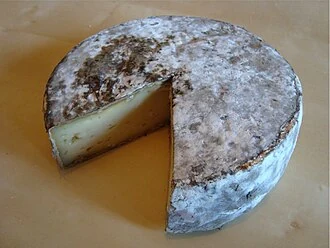
Which cheeses travel best?
Firm cheese holds its shape better in luggage. A fresh or creamy cheese mainly needs a container that closes securely and a way of keeping it cold throughout the trip. Follow the temperature on the label for each product, whatever its texture. [1] [2]
| Type of cheese | Examples | Recommended packaging | In hand luggage when leaving France |
|---|---|---|---|
| Firm cheese | Comté, Beaufort, Emmental, Cantal | Original packaging or cheese paper, with protection against knocks | Generally allowed as solid food. [3] |
| Supple cheese that holds its shape | Some tommes, depending on how long they have matured | Cheese paper, then a box to protect the rind | Check if you are unsure about its consistency. [3] |
| Soft, creamy or runny cheese | Brie, Camembert, Reblochon de Savoie PDO | Original box or a suitable rigid container. Refrigerate as directed on the label | Subject to the rules on liquids. The hold is more practical for a whole cheese. [3] [4] |
| Fresh or spreadable cheese | Creamy fresh goat cheese, mascarpone, fromage blanc | Sealed original tub, kept flat in the cool box | Creamy or spreadable products follow the rules on liquids. [3] [4] |
On the Savoy Cheese Route, a piece of Emmental de Savoie PGI will hold its shape better than a creamy cheese. The Savoy cheeses guide helps you compare local specialities before buying.
How should you wrap cheese and pack the cool box?
- Buy at the end of the trip. If you plan several stops, leave buying chilled cheeses until the end of the visit. Prepare the ice packs in advance. [1] [2]
- Keep the label. For prepacked cheese, keep the original packaging. If you buy a cut piece, keep the cheesemonger’s paper and ask about the storage temperature. Abroad, the label and receipt can also help establish where it came from. [1] [7] [9]
- Protect each piece. Keep fragile cheeses snug in a rigid box and lay tubs flat. A closed box or a second bag helps prevent leaks and contain smells.
- Pack the cool box at the last moment. Load the cheese while it is already cold, place ice packs around the products and avoid opening the box unnecessarily. Put a clean barrier between the frozen packs and delicate cheeses to keep their surfaces from freezing. [1] [2]
- Check the temperature on long trips. A cool box thermometer lets you compare the actual temperature with the manufacturer’s instructions. If the trip lasts several days, arrange access to a refrigerator at every stop.
Should you vacuum-pack cheese?
Vacuum packaging helps contain smells and keeps a piece securely wrapped. Ask the cheesemonger whether the texture suits this method. Follow the stated storage date and temperature, including for vacuum-packed cheese. There is no universal eight-week period that applies to all cheeses. Keep the original label with the product when crossing a border. [1] [2] [7] [9]
How to transport cheese by car, train or plane
By car
Put the cool box somewhere stable and shaded, ideally inside the air-conditioned passenger compartment. Avoid leaving it in a hot boot or a car parked in the sun. For a longer stop, take it somewhere cool. Air conditioning limits the heat around the cool box. The temperature inside also depends on the ice packs and the length of the journey. [1] [2]
By train
Put chilled cheeses in an insulated bag with ice packs. Keep the bag within reach, away from a sunny window or a heating vent. If you have a connection, include the wait and the time it takes to reach your refrigerator in the total journey time. [1] [2]
By plane: hand luggage or the hold?
When flying from a French airport, the French civil aviation authority includes pastes, gels and soft cheeses in the security rules on liquids. The general European rule allows up to 100 ml per container and one transparent resealable bag of no more than 1 litre per passenger. The limit applies to the capacity of the container. The weight of the cheese in grams therefore does not tell you whether it will pass security. If you have a connection, check what applies at the next security checkpoint too. [3] [4]
For a whole soft cheese or a large tub, use the hold if the cheese is allowed at the destination and can be kept cold. Protect it in a leakproof box secured in the suitcase. Allow for the time between check-in and baggage collection. If carrying ice packs in the cabin, check the airport’s rules according to their contents and their condition at security. [1] [3] [4]
Can you take cheese through customs?
Airport security checks what can go on board. Customs and the destination’s animal and food health authorities check what can enter the country. Cheese allowed in the cabin can be refused at the border. Rules can change during an animal disease outbreak. [3] [5] [6]
| Journey | Rule to check before you leave |
|---|---|
| France to another European Union country | Dairy products for personal consumption are generally allowed. Local animal health restrictions can apply. [5] |
| France to Great Britain | British rules consulted in November 2026 prohibit bringing cheese from the EU into England, Scotland and Wales. Check again before you leave. [10] |
| France to the United States | The USDA provides an exemption for solid cheeses that contain no meat and do not pour like a liquid. Declare agricultural products on arrival. [7] |
| France to Canada | Declare food. Check the type of cheese, how its milk was treated and where it comes from. Cheese made from unpasteurised milk is allowed only from certain countries, depending on their animal health status. [8] |
| France to Australia | Check eligibility in BICON. General conditions require commercially prepared and packaged cheese, an approved origin shown on the label and a maximum of 10 kg of cheese. Declare it for inspection on arrival. [9] |
| Returning to the EU from most non-EU countries | Bringing cheese in your luggage is generally prohibited. Special rules apply to some places of origin, including Switzerland and the Faroe Islands. [5] [6] |
For a destination outside the EU, start with the local customs or animal and food health authority’s website. Check the country where the cheese was made, the quantity, the milk type and the declaration requirements. Check again for the return journey, especially if it includes a stop outside the EU. [5] [6] [7] [8] [9]
What to do on arrival
Put chilled cheeses away promptly according to the label. The coldest part of a domestic refrigerator should be at 0 to 4°C. The Ministry of Agriculture recommends storing fresh and raw milk cheeses there. For a piece cut to order, follow the seller’s instructions. [1] [11]
If a perishable product has been out of refrigeration for a long time or has remained above its storage temperature for a prolonged period, do not eat it. Returning it to the fridge does not restore the cold chain, and smell or appearance alone cannot tell you whether it is safe. [1] [2]
Frequently asked questions about transporting cheese
How do you transport cheese on a car journey lasting several hours?
Put it in a cool box with ice packs, starting with the cheese already chilled. Keep the box shaded, open it as little as possible and check that the temperature stays within the instructions on the label until you arrive.
What cheese is allowed in hand luggage?
Firm cheeses such as Comté or Emmental are generally allowed as solid food. When flying from France, soft cheeses follow the rules on liquids and pastes. Check the destination country’s import rules separately.
Is the limit on planes 100 g or 100 ml?
For products subject to the rules on liquids, the limit is 100 ml capacity per container. The containers must fit inside one transparent resealable bag of no more than 1 litre. Weight in grams does not replace this requirement.
Can you transport cheese in checked luggage?
Yes, if the destination and airline allow it. Protect the cheese against impacts and leaks. For chilled products, arrange to keep them cold throughout the journey.
How long can you transport vacuum-packed cheese?
It depends on the cheese, the temperature you maintain and the manufacturer’s or cheesemonger’s instructions. Follow the use-by date and keep any product cold if it requires refrigeration.
Can you bring cheese home from abroad?
Between European Union countries, cheese for personal consumption is generally allowed. You cannot bring cheese in your luggage from most countries outside the EU. Check the rules for the country you are travelling from before you return.
Sources
- Ministry of Agriculture, food safety and the cold chain.
- Ministry of Agriculture, storing and transporting food in summer.
- French civil aviation authority, restricted items on aircraft.
- European Union, cabin and checked baggage restrictions.
- European Union, carrying animal products between countries and into the EU.
- French Customs, dairy products in luggage when returning to the EU.
- USDA APHIS, United States rules on dairy products for travellers and declaring agricultural products.
- Canadian Food Inspection Agency, bringing food into Canada for personal use.
- Australian Department of Agriculture, conditions for cheese and dairy products and the official BICON database.
- UK government, restrictions on bringing dairy products into Great Britain.
- Ministry of Agriculture, good practice guide and where to store cheese in the fridge.