
Should you choose Beaufort or Comté?
Choose Beaufort PDO for Savoyard fondue or a supple cheese with notes of butter, flowers or yellow fruit. Choose Comté PDO for a Jura fondue or to compare cheeses at different stages of ageing, from a piece with milky, hazelnut flavours to one with more toasted notes. Both are cooked pressed cheeses made with raw cow’s milk. Beaufort comes from Alpine valleys around Savoie and ages for at least five months. Comté comes from the Jura Massif and ages for at least 120 days. If strength matters to you, ask to taste both at the cheese counter. [1] [2] [3] [4]
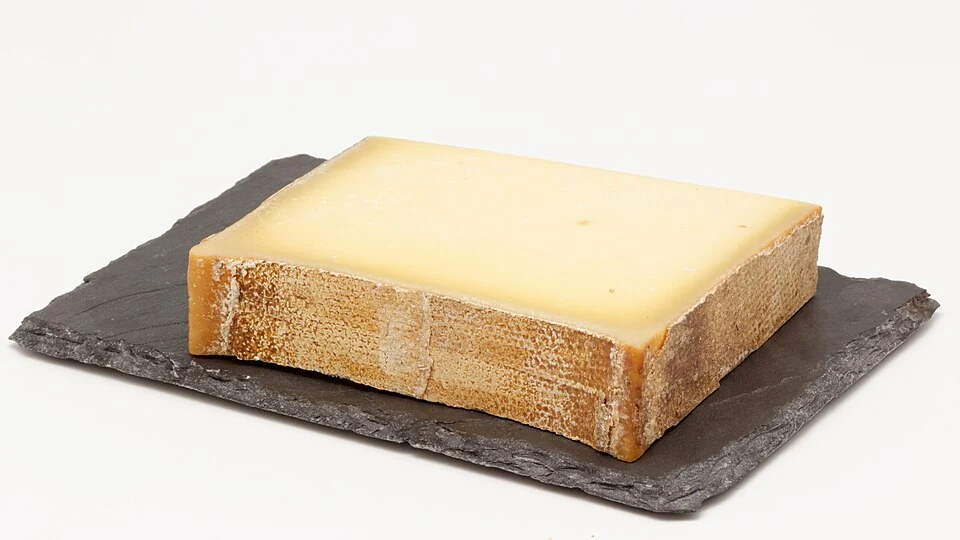
What differences between Beaufort and Comté?
| Criterion | Beaufort PDO | PDO Comté |
|---|---|---|
| Terroir | Beaufortain, Tarentaise, Maurienne and part of Val d’Arly. The area covers the communes of Savoie and a small part of Haute-Savoie. [1] [5] | Jura Massif, mainly in the Doubs, Jura and Ain, with extensions defined by the specifications. [2] |
| Milk and races | Whole raw milk of Tarines cows, also called Tarentaises, or Abondance. [1] [5] | Crude milk from Montbéliardes, Simmental France or cows from certified crosses between these two breeds. [2] |
| Family | Cooked pressed paste, ivory to pale yellow, usually soft and smooth. [1] | Cooked pressed paste, ivory-to-yellow, the texture of which varies according to grinding and ageing. [2] [4] |
| Shape of the wheel | Flat wheel from 20 to 70 kg, recognizable by its concave heel. [1] | Large flat wheel of about 40 kg on average. [6] |
| Minimum ageing | Five months. [1] | 120 days, or about four months. [2] |
| Aromas to be sought | Butter, flowers, fruit or milky notes depending on the room and season. [3] | Milk, hazelnut, dried fruit, toast or sweet spices depending on the room. [4] |
| Choice in the kitchen | Savoyard fondue, crozet, gratin or pie. [7] | Fung in Comté, croque, gratin or omelette. [8] |
The heel is the edge of the cheese wheel. The heel of the Beaufort is carved by the wooden circle used for moulding. On a cut part in the cheese wheel, look for the curve on the crusted edge. For a slice whose crust has been removed, the label or the seller gives a more reliable mark than the color. [1] [5]
The two designations combine a geographical area and manufacturing rules. Comté area includes even part of the commune of Chlonges, Haute-Savoie. This exception in the official perimeter helps to understand why the department indicated on a packaging must be read with the name of the PDO. To discover the cheeses of the alpine slope, consult the guide of Savoy cheeses. [1] [2]
Which cheese to choose according to taste and ageing?
Le Beaufort for its flexibility and fruity notes
The pastry of Beaufort is often soft and smooth. A soft piece can evoke butter or milk. A Beaufort made during grazing can develop a more pronounced fruity. Ask for a small slat to check if the cheese matches the desired profile. If you like floral notes, taste a Beaufort summer and compare it to a softer piece. [1] [3]
The Comté to compare very different profiles
The wheel of aromas published by the Comté sector lists 83 descriptors, divided into six families. Two Counties of the same age may have different profiles depending on the season, the cheese cooperative and the work in the cellar. For a sweet taste, look for a piece with notes of milk or butter. For a more assertive flavor, ask for a long refined Comté that evokes roasted hazelnut, almond or toasted bread. [4] [6]
Small crystals may appear in some Counties that are long refined. The field identifies them as crystals of tyrosine. They give a light crunchy and do not allow to date precisely a grinding wheel. The color also tells about the feeding of cows and the manufacturing season. A more yellow paste may correspond to grazing milk. [4]
Which one is the strongest or the most fruity?
A Comté long refined may seem more intense than a sweet Beaufort. To find the cheese you like, compare the texture, aromas and persistence separately. A cheese can be sweet at first contact and leave a lasting flavor. If you are looking for a fruity type apricot or yellow fruits, ask to taste a Beaufort summer. For notes of nuts or roasted hazelnut, try a refined Comté. These aromas remain tasting tracks, to check on the room. [3] [4]
What differences between the three Beauforts?
| Mention in radius | What it says | For what use? |
|---|---|---|
| Beaufort | The basic denomination of the PDO. In tasting, the union presents the Beaufort produced from November to May as generally sweet. [3] | For a fondue or tray where a supple cheese with milky notes is sought. |
| Beaufort Summer | Cheese is made from cow milk on pasture from June 1 to October 31, including pasture. [3] | To discover a seasonal fruity, alone or in comparison with a softer Beaufort. |
| Beaufort chalet d’alpage | Manufactured in a chalet above 1500 m, with milk from a single herd, worked after milking. [3] [5] | To taste in slats to observe the texture and length in the mouth before using in the kitchen. |
These informations provide information on the manufacture. Age and taste of the piece are verified separately. To compare Beaufort, ask for two pieces of which the cheesemaker knows the manufacturing season. The Savoie Cheese Road helps to identify farms, cooperatives and cellars where to discover the sector. [3]
Beaufort or Comté for fondue and gratins?
| What you’re preparing | Which cheese to choose? | Useful gesture |
|---|---|---|
| Savoyard fondue | Beaufort alone, or mixed with Abondance and the Emmental de Savoie. | Cut into thin slats or grat up just before preparing the poop. |
| Found in Comté | A fairly flexible Comté, or two different Refineries Counties. | Do the most full-bodied piece by tasting the cheese before mixing it. |
| Fondue Beaufort and Comté | A mixture of the two PDOs to combine their aromas. | Try half-half, or two-thirds of the cheese you want to taste again. |
| Gratin of crozets or vegetables | Beaufort for a fruity note, Comté for a more grilled flavor if the piece lends itself. | Divide part of the cheese in the topping and the rest on top. |
| Croque, omelette or pie | Both work. Try the room to measure its intensity. | Use thin slats in a croque and a grater to spread the cheese in an omelette. |
A fondue with a single cheese or a mixture?
The Syndicat de défense du Beaufort offers a fondue 800 g from Beaufort for four people. The “royal fondue” of the Comté sector provides 1 kg for four, by assembling an eight-month and fourteen-month-old Comté. These recipes give two service marks, from 200 to 250 g per person for a main dish. Adjust according to appetite, bread and accompaniments. [7] [8]
To keep a Savoyard dominant, take the Beaufort as a base and add the Abondance PDO or the Emmental de Savoie PGI. To mix Beaufort and Comté, start with two pieces that you like to taste cold. If the Comté is very marked, use a smaller proportion and keep the Beaufort as a basis.
How do I get a regular cast iron?
Cut or gratify the cheese finely. Gradually add it into the fondue pot, stirring, then keep a moderate heat once the mixture is homogeneous. For two refinements, taste the mixture before adding the last third of the most powerful cheese. Choose the wine from the fondue pot according to the dominant cheese. The guide What wine for a fondue? details the choice for cooking and serving. [7] [8]
How do I compare them on a set?
For a comparison to two cheeses, count 25 to 30 g each per person. For a larger tray at the end of meals, plan about 40 to 60 g of cheese in total per person. For four guests who want to compare only Beaufort and the Comté, this represents 100 to 120 g of each cheese. The guide to compose a Savoyard cheese board gives benchmarks for other formats.
- Ask for two pieces of flexibility or ageing close enough to compare styles. To observe the effect of time in the cellar, choose two Counties of the same cheese cooperative if the cheesemaker has it.
- Remove the amount to serve about 30 minutes before and adjust according to the size of the pieces and the heat of the piece. Cut the two cheeses of the same thickness. [9]
- Start with the sweetest one. Taste each cheese alone, then with some natural bread. Note what changes between the first bite and the end of the mouth.
For a fully Savoyard plateau, combine Beaufort with Abondance, Chevrotin or a Tomme de Savoie. For a comparison between massifs, place a piece of Comté next to Beaufort and indicate the terroir and ageing of each piece. Simply labeling the two cheeses makes tasting easier for several.
Which wines and accompaniments to serve?
- With a soft Beaufort, try a dry and lively Apremont. With a more fruity Beaufort summer, a dry Roussette de Savoie or a Chignin-Bergeron offer other profiles.
- With a sweet or fruity Comté, try a Jura Chardonnay. A Savagnin or a Yellow Wine lends itself to a more refined Comté if you enjoy the nutty notes.
- For both cheeses, a dry, unwooded white or a white Champagne of whites allow to compare their aromas with the same drink. Without alcohol, serve sparkling water or an unsweetened apple juice, in small quantities. [8] [10]
For the first bite, take some nature country bread. Then add pear or some hazelnuts. Keep the powerful toppings for a second pass. The guide to Savoie wine and cheese pairings offers other chords with Beaufort. [9] [10]
How to buy and store the two cheeses?
At the cutting radius, specify the use. For a tray, ask for a snack and choose a part with heart and heel. For a fondue, look for a soft piece to suit your taste and buy according to the useful weight. If you hesitate between two prices, compare the price to the kilo and the necessary quantity, then taste if possible. A piece of Beaufort can be grated at home just before cooking. [1] [9]
For a Comté sold at the cut, the green or brown stripe of the cheese wheel corresponds to the ranking of the cheese wheel. It does not specify age. Instead, ask for the duration of ageing and, if known, the cheese cooperative. A tasting remains the most direct way to choose between two pieces at the same number of months. [2] [4]
In the refrigerator, protect each room in its packaging and follow the instructions of the seller or label. Cut only the quantity intended for the meal. For the portions started, find the tips for preserving cheese in the refrigerator. [9]
Frequently asked questions about Beaufort and the Comté
What is the main difference between Beaufort and the Comté?
The Beaufort PDO comes from the Alpine valleys around Savoie and is recognized by the concave heel of its cheese wheel. The Comté PDO comes from the Jura massif. Both are with raw cow’s milk and cooked pressed cheese.
Beaufort or Comté for a Savoyard fondue?
Choose Beaufort. It can be used alone or combined with the Abondance and Emmental de Savoie. The Comté is the basis of a Jura fondue and can also be used for a mixture.
Can we mix Beaufort and Comté in the fondue pot?
Yes. Start with equal shares or give the majority to the cheese you want to regain the taste of. If the Comté is very refined, reduce its share to let the aromas of Beaufort express.
Which cheese is the sweetest, the Beaufort or the Comté?
This depends on the pieces. A soft Beaufort can have a more supple texture than a long refined Comté. A Comté with milky notes can also be very soft. Ask to taste before buying.
How long are Beaufort and Comté refined?
Beaufort PDO must be refined at least five months. PDO Comté must be refined at least 120 days. Some Counties are refined well beyond this minimum.
What is the difference between Beaufort Summer and Beaufort chalet d’alpage?
The Beaufort summer is produced with cow milk on pasture during the defined period. The Beaufort chalet d’alpage must also be made in a cottage above 1500 m with milk from a single herd, after milking.
Why does the Beaufort have a hollow edge?
The wooden circle used to mould the Beaufort gives the wheel its concave heel. It is a visible landmark on the wheel and on the parts that keep the edge.
What are the small crystals in a refined Comté?
It can be tyrosine crystals that appear naturally in the dough during ageing. They bring a light crunch. Their presence does not allow to determine a precise number of months.
Can we replace Beaufort with Comté in a gratin?
Yes. Both are suitable for a gratin. Use a fairly soft Comté if you are looking for a near-intensity result, or a more refined Comté to give more character to the garnish.
Sources
- Official Journal of the European Union, single document of Beaufort PDO.
- Ministry of Agriculture, PDO Comté Terms of Reference published in January 2026.
- Beaufort Defence Union, Beaufort PDO profiles and references.
- Comité interprofessionnel du Comté, wheel of aromas and questions of taste, season and ranking of grinding wheels.
- INAO, area and features of Beaufort PDO.
- Comté Interprofessional Committee, Manufacturing, Average Weight and Refining.
- Beaufort Defence Union, recipe for Savoyard fondue at Beaufort.
- Comté Interprofessional Committee, Royal fondue recipe.
- AFTAlp, cut, tasting order and conservation of cheeses.
- AFTAlp, chords around Savoy cheeses.